
What Is 3D Facial Mapping?
3D facial mapping is a cutting-edge imaging technology that captures the full three-dimensional geometry of a patient’s face using advanced scanners and high-resolution cameras. Unlike traditional photographs, which offer only a flat, two-dimensional perspective, 3D mapping records depth, contour, and surface texture — creating a life-like digital replica of the patient’s facial anatomy.
At Esthetica Dental & Cosmetic Centre in Vadodara, we use this technology to help rhinoplasty candidates preview their surgical outcomes before any incision is made. The result is a powerful consultation tool that bridges the gap between patient expectations and surgical realities.
Digital Morphing: Aligning Expectations with Reality
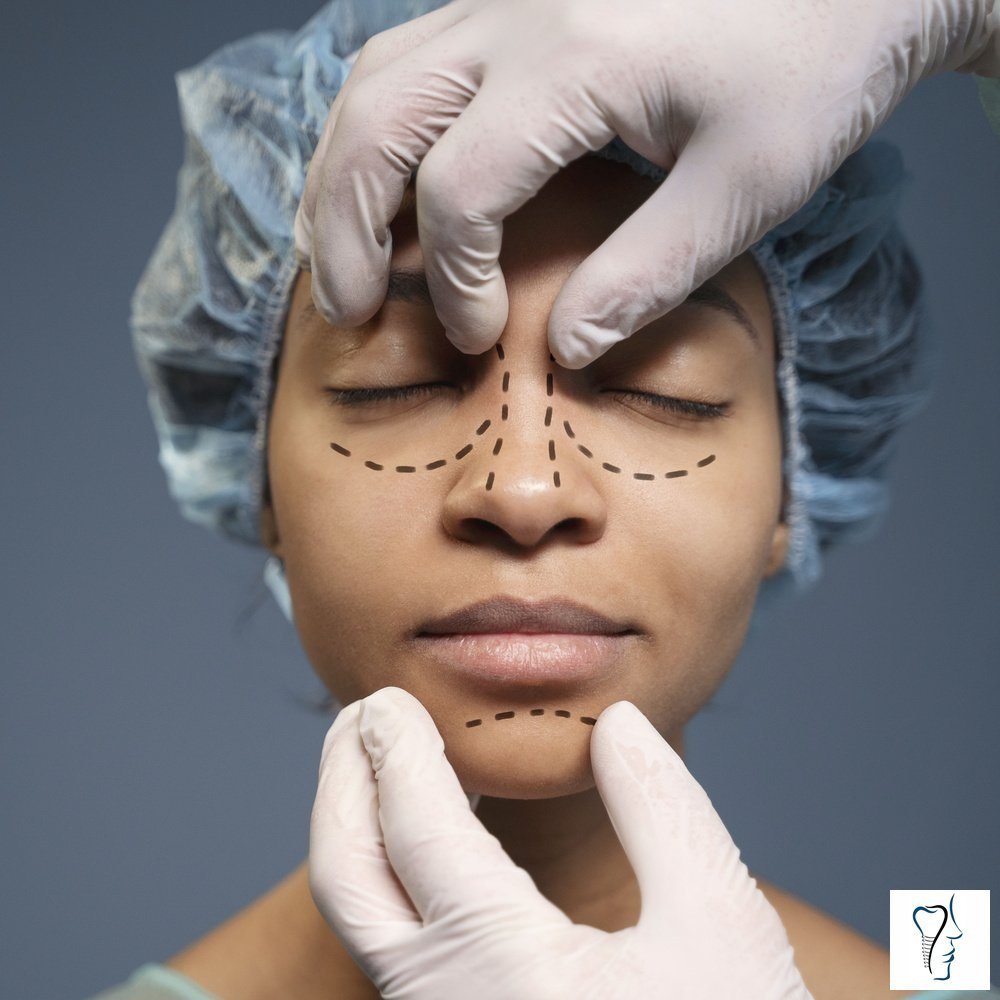
One of the biggest challenges in rhinoplasty has always been the “expectation gap” — the difference between what a patient imagines and what is surgically achievable. Digital morphing addresses this head-on by allowing the surgeon to modify the 3D model in real time during your consultation.
The surgeon can adjust the nasal bridge, tip projection, nostril width, and overall profile on screen while the patient watches, ensuring both parties agree on the goal before surgery begins. This collaborative approach dramatically reduces post-operative dissatisfaction.
“3D facial mapping transforms the rhinoplasty consultation from a conversation about possibilities into a visual experience of outcomes. Patients leave knowing exactly what to expect.”
How the Technology Works
The process combines several advanced technologies to deliver an accurate surgical preview:
- 3D Surface Scanning: Multiple cameras capture the face from every angle, generating a precise digital mesh of the nasal and facial structures.
- AI-Powered Morphing: Intelligent software analyses facial proportions and symmetry, then simulates realistic post-surgical results based on the planned procedure.
- Real-Time Adjustments: during the consultation, the surgeon can fine-tune the digital model while the patient watches — adjusting tip rotation, bridge height, and nostril shape interactively.
- Surgical Guide Export: The finalised 3D model serves as a reference blueprint during the actual surgery, improving accuracy and consistency.
Benefits for Rhinoplasty Patients
3D facial mapping brings measurable advantages to the rhinoplasty journey. Patients who see a realistic preview of their results report higher satisfaction, reduced anxiety, and greater confidence in their decision to proceed. It also enables the surgeon to set honest, achievable goals — accounting for skin thickness, cartilage strength, and healing patterns that influence the final result.
Key Takeaway
3D facial mapping doesn’t just show you what your nose could look like — it aligns your expectations with what’s surgically possible, creating a shared vision between you and your surgeon for a result you’ll truly love.
Is 3D Facial Mapping Right for You?
Whether you’re considering rhinoplasty for aesthetic reasons or to correct a breathing issue, 3D facial mapping offers invaluable insight into your potential outcome. At Esthetica, every rhinoplasty consultation begins with a comprehensive 3D scan and digital morphing session, so you can make an informed, confident decision backed by visual evidence — not guesswork.