Home
Home About us
 Dental
 Hair
Hair
 Face
FaceSurgical Facial Cosmetic
Non Surgical Facial Cosmetic

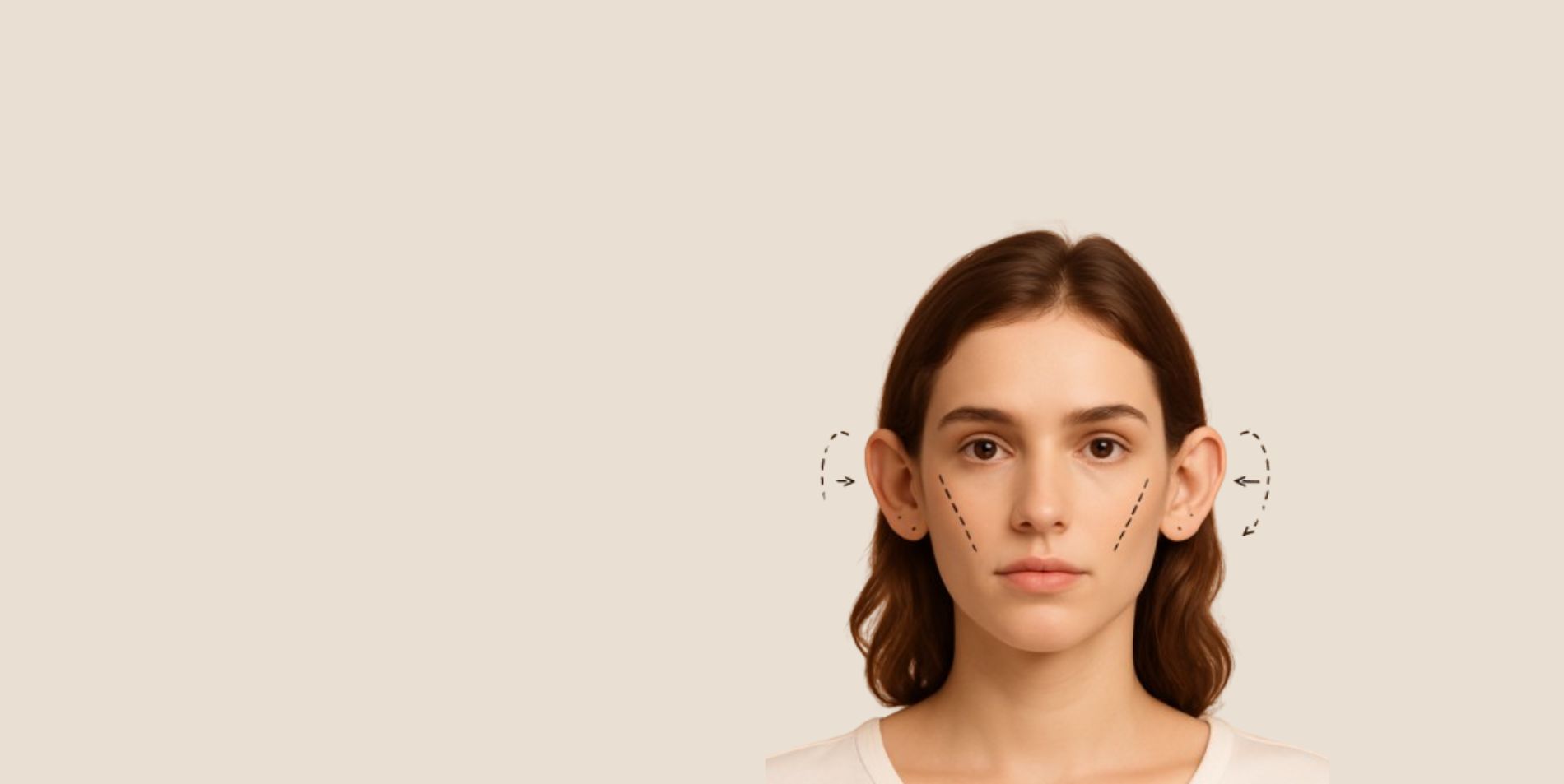
Esthetica Dental and Maxillofacial Surgery Hospital offers expert otoplasty in Vadodara, reshaping and enhancing the appearance of ears, correcting deformities, and boosting confidence with precise



Otoplasty is a surgical procedure that reshapes or repositions the ears. It can reduce protrusion, correct deformities, or adjust ear size for better facial symmetry.
Key goals of otoplasty:
Reduce ear protrusion or prominence
Correct congenital ear deformities
Enhance symmetry between both ears
Improve self-confidence and appearance
Unlike temporary cosmetic treatments, otoplasty offers long-lasting results.
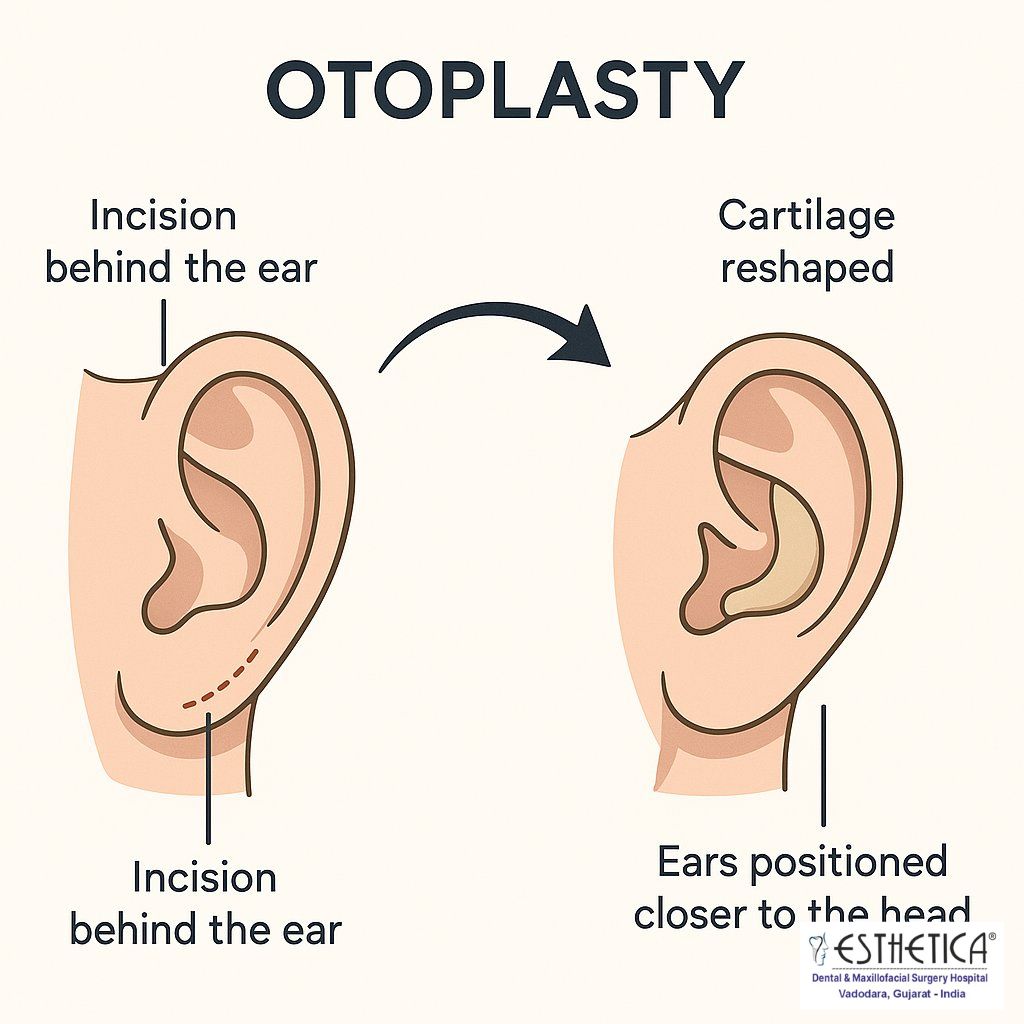
Wear the headband or dressing as advised
Avoid sleeping on the operated side initially
Keep the incision area clean and dry
Avoid strenuous activities for the first 2 weeks
Follow all medications and instructions from your surgeon
Otoplasty techniques vary based on the patient’s needs and ear anatomy.
Protruding Ear Correction
Most common type
Repositions ears closer to the head
Ideal for children and adults
Ear Pinning Surgery
Uses sutures to reshape and secure cartilage
Minimal scarring and fast healing
Ear Reduction (Macrotia Correction)
Reduces oversized ears
Improves facial balance
Corrects congenital deformities like microtia
Often requires multiple procedures
Uses cartilage grafts or implants
Lop Ear or Folded Ear Repair
Reshapes ears that fold unnaturally
Restores natural contour
Otoplasty may be suitable if you:
Have prominent or protruding ears
Want to correct ear asymmetry
Are in good health with no active infections
Have realistic expectations about results
Children can undergo otoplasty as early as age 5–6 when ear cartilage is firm but flexible. Adults can also benefit from reshaping procedures.
Here’s what to expect during ear surgery:
Detailed ear assessment and photos
Discussion of goals and surgical options
Explanation of risks, benefits, and recovery
Anesthesia
Local anesthesia with sedation for adults
General anesthesia often used for children
Incision & Cartilage Reshaping
Incision typically behind the ear
Excess cartilage removed or reshaped
Ear positioned closer to the head
Suturing & Closure
Skin and cartilage stitched carefully
Minimal visible scarring
Dressing & Recovery
Surgical dressing or headband applied
Provides support and protects ears
Otoplasty is generally safe, but like any surgery, it may have minor side effects:
Temporary swelling or bruising around the ears
Mild discomfort or tightness
Slight scarring (usually hidden behind the ear)
Rarely, infection or bleeding
Most side effects resolve within 1–2 weeks with proper care.
Enhanced facial balance – ears look natural and symmetrical
Long-lasting results – permanent improvement without regular maintenance
Boost in self-confidence – feel comfortable in social and professional settings
Safe and precise – performed by experienced maxillofacial surgeons
Skilled cosmetic and maxillofacial surgeons
Advanced surgical facilities and techniques
Personalized treatment plans for each patient
High hygiene and safety standards
Comprehensive follow-up care for smooth recovery
Otoplasty (ear surgery) is a safe and effective way to enhance ear shape, correct asymmetry, and improve facial harmony. At Esthetica Dental and Maxillofacial Surgery Hospital in Vadodara, patients can expect professional care, precise results, and lasting confidence.
Whether correcting protruding ears, reshaping cartilage, or reconstructing congenital deformities, a consultation can help you understand the best surgical approach to meet your goals. Take the first step toward a balanced and confident appearance today!
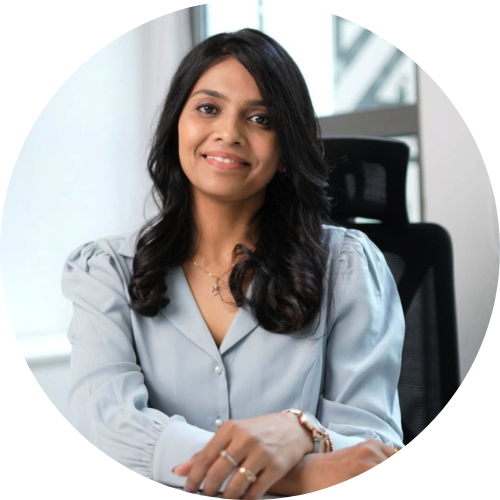
Dr. Megha Vyas is the head cosmetic surgeon at Esthetica Hospital. Consult Dr. Megha Vyas to explore expert Otoplasty procedures in Vadodara, India.
At Esthetica, Dr. Megha provides personalized, high-quality ear reshaping and corrective ear surgery treatments for residents of Vadodara City, Alkapuri, and Karelibaug. She is a Vadodara-certified cosmetic surgeon with extensive experience, having performed thousands of aesthetic procedures in a safe, private, and comfortable setting.